Sensory Integration is the neurological process of taking in sensory information, organising & integrating information from all sensory systems and using it effectively to participate in meaningful everyday activities.
Bilateral Coordination refers to the ability to coordinate both sides of the body at the same time in a controlled and organized manner.
Crossing Midline : It is an important Developmental Skill for many everyday tasks such as Writing, Reaching towards your foot to put on a shoe and sock with both hands and hitting a ball with a bat. When a Child Spontaneously crosses the mid-line with the dominant hand, then the dominant hand gets the practice needed to develop good Fine Motor Skills.
Gross Motor Skills are those skills that involve the whole body — i.e. Core Muscles. It allows children to do things that involve using the large muscles in the torso, arms, and legs to complete whole-body movements. That includes activities like Climbing, Jumping, Running, Hopping, Swimming, Cycling, Running etc…
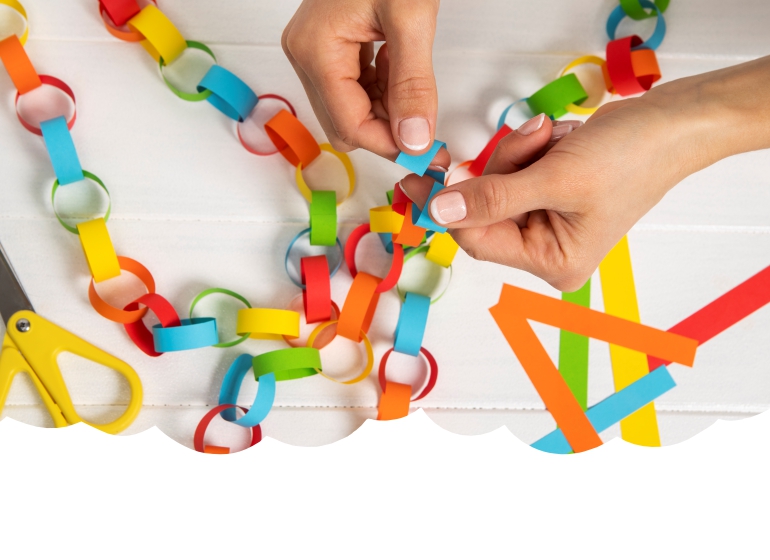
Fine Motor Skills are the ability to make movement using the small muscles in our hands and wrists, commonly in activities like using pencils, scissors, opening up lunch boxes, putting on buttons, etc… Efficient fine motor skills require a number of independent skills to work together to appropriately manipulate the object or perform the task.
Oral Motor Functions : It refers to the movement of the muscles of the face such as Mouth, Jaw, and Tongue & Lips. This includes Muscles Tone, Muscle Strength, Speed, Coordination and Dissociation. These muscles are important for eating, drinking and speech.
Visual Motor Skills : These Skills are integral to a Child’s Development. Visual Motor Skills are more commonly referred to as eye-hand coordination. They involve the use of both vision and the hands to complete tasks.
Self Care Skills :
There are 4 Main Types of Self Care Skills:
Hygiene and Toileting.
Independent Dressing and Grooming.
Helping with Daily chores like Table Setting and Picking up Toys.
Self-Feeding: The best way to build independent Feeding Skills is to learn the normal Developmental Stages of Self-Feeding.
100%
A+ Results
Pre-Writing Skills are the Fundamental Skills children need to develop before they are able to write. These skills contribute to the child’s ability to hold and use a pencil, and the ability to draw, write, copy, and colour.